
Taking the first step toward a straighter smile can feel both exciting and a little nerve-wracking. Knowing what to expect at your initial orthodontic consultation can ease any anxiety and help you feel prepared. At Centrepointe Orthodontics in Ottawa, we make every consultation a comfortable, informative experience for patients of all ages.
Here’s a complete walkthrough of what happens during your first orthodontic visit.
Before Your Appointment
Scheduling
Booking your consultation is easy. You can use our online appointment request form or call our office at (613) 225-5511. Our scheduling coordinator will confirm your appointment and let you know if there’s anything you need to prepare in advance.
What to Bring
For your first visit, plan to bring your dental insurance card (if applicable), a list of any medications you’re currently taking, and any dental records or X-rays from your dentist if they’ve been provided. If you’ve been referred by a dentist, bring the referral letter as well.
During Your Consultation
Digital Records and Imaging
Centrepointe Orthodontics is a fully digital office. During your visit, we’ll take digital X-rays, photos, and an intraoral scan of your teeth. Intraoral scanning replaces the uncomfortable, messy impressions of the past with a quick, precise digital image of your teeth and bite. This technology allows Dr. Zhylich to assess your orthodontic needs with exceptional accuracy.
Comprehensive Examination
Dr. Dzmitry Zhylich will personally perform a thorough examination of your teeth, jaws, and bite. He’ll assess the alignment of your teeth, check for any common orthodontic problems such as crowding, spacing, overbites, underbites, or crossbites, and evaluate the overall health of your mouth.
Discussion of Findings
After the examination, Dr. Zhylich will sit down with you to explain his findings in clear, easy-to-understand terms. He’ll walk you through what he’s observed, whether treatment is recommended, and if so, what options are available. This is your opportunity to ask questions and voice any concerns.
Your Customized Treatment Plan
If orthodontic treatment is recommended, Dr. Zhylich will develop a customized treatment plan tailored to your specific needs. This plan will outline the recommended type of treatment — whether that’s traditional braces, clear ceramic braces, or clear aligners — along with the expected treatment duration and the goals for your smile.
Dr. Zhylich inserts all orthodontic appliances personally, reflecting the attention to detail that is instrumental in providing treatment that is successful and completed on time.
Understanding Costs and Payment
Our team will provide you with a detailed cost estimate during your consultation. We believe in complete transparency, so there are no surprises. You’ll receive a predetermination form outlining the full cost of treatment.
We offer several flexible payment options, including courtesy discounts for payment in full, interest-free in-house financing with monthly payments, and the ability to coordinate payment arrangements with your Flex Plan. Our financial coordinator is available to answer any questions and help create a plan that works for your budget.
Insurance Coordination
If you have dental insurance that includes orthodontic coverage, our team will help you navigate the paperwork. We’ll provide you with the necessary forms for submitting a predetermination to your insurance carrier so you know exactly what your plan will cover before treatment begins. Visit our insurance information page for detailed instructions.
What Happens After the Consultation
If you decide to move forward with treatment, our team will schedule your next appointment to begin. Depending on your treatment plan, this might involve placing brackets and wires, fitting a palatal expander, or receiving your first set of clear aligners.
If you need time to think, that’s perfectly fine. There’s never any pressure to make a decision on the spot. We want you to feel confident and informed about your orthodontic journey.
For patients whose children are evaluated and don’t yet need treatment, we’ll create a monitoring schedule and see them periodically to track growth and development.
Why Choose Centrepointe Orthodontics
Our practice has been serving the Ottawa community since 1993. Dr. Zhylich brings a Master’s degree in orthodontics from the University of Toronto and a commitment to staying current with modern best practices. He has served as the Chair of the Continuing Education Committee of the Ottawa Dental Society, demonstrating his dedication to the highest standards of care.
Families across Nepean, Barrhaven, Kanata, and Bells Corners trust Centrepointe Orthodontics for compassionate, expert orthodontic care. Your first consultation is the beginning of a partnership focused on achieving a healthy, beautiful smile that lasts a lifetime.
Clear Braces in Ottawa: Why Adults Are Choosing Ceramic Brackets
Gone are the days when metal braces were the only option for straightening your smile. Clear ceramic braces have emerged as one of the most popular orthodontic choices among adults in Ottawa, offering the proven effectiveness of traditional braces with a far more discreet appearance. At Centrepointe Orthodontics, we’ve seen a growing number of adult patients choose clear ceramic braces as their preferred treatment method.
This guide explores what clear braces are, how they work, and why Ottawa adults are increasingly choosing them for their orthodontic journey.
What Are Clear Ceramic Braces?
Clear ceramic braces function the same way as traditional metal braces — they use brackets bonded to each tooth and connected by a wire to gradually move teeth into their ideal positions. The key difference is in the materials. Ceramic brackets are made from a translucent or tooth-coloured ceramic material that blends seamlessly with your natural teeth.
At Centrepointe Orthodontics, we use 3M Clarity Advanced Clear Braces, which feature leading-edge technology designed for exceptional quality and comfort. The wires and elastics can also be made from clear or tooth-coloured materials, creating a correction device that is far less noticeable than traditional metal braces.
Why Adults in Ottawa Are Choosing Ceramic Braces
Professional Appearance
Many adult patients work in professional environments where they’d prefer their orthodontic treatment to be as inconspicuous as possible. Ceramic braces offer a subtle look that doesn’t draw attention, allowing adults to feel confident in meetings, presentations, and social situations throughout their treatment.
Proven Reliability
Unlike some cosmetic orthodontic options, ceramic braces offer the same reliable, guaranteed results as metal braces. They can treat a full range of orthodontic issues, including complex overbites, underbites, crowding, and spacing problems. For patients who need the precision of fixed braces but want a discreet look, ceramic brackets are the ideal solution.
Comfortable Design
3M Clarity Advanced clear braces are designed with patient comfort in mind. The brackets feature a smooth, rounded shape that minimizes irritation to the cheeks and gums. Many patients find them just as comfortable as — or even more comfortable than — traditional metal brackets.
No Daily Maintenance Beyond Normal Care
Unlike removable aligners that require you to take them out for every meal and snack, ceramic braces stay in place around the clock. There’s no risk of forgetting to put them back in, and you won’t need to carry a case everywhere you go. Just continue with your normal brushing and flossing routine and enjoy your meals without interruption.
How Clear Braces Compare to Other Options
Clear Braces vs. Metal Braces
Both options are highly effective at correcting orthodontic issues. The primary difference is aesthetics ceramic brackets are far less visible. Clear braces may be slightly more expensive due to the materials, but many patients feel the cosmetic benefit is well worth the investment.
Clear Braces vs. Invisalign
Clear braces and Invisalign both offer a discreet treatment experience, but they work differently. Clear braces are fixed appliances, meaning they work continuously without requiring patient compliance. Invisalign requires 20–22 hours of daily wear to be effective. For patients who prefer a “set it and forget it” approach, ceramic braces may be the better fit.
Clear Braces vs. Lingual Braces
Lingual braces are placed behind the teeth, making them completely invisible from the front. However, they tend to be significantly more expensive and can cause more tongue irritation. Ceramic braces offer an excellent balance of discretion and comfort at a more accessible price point.
Are Clear Braces Right for You?
Clear ceramic braces are an excellent option for most adult patients, but the best way to determine the right treatment is through a professional consultation. Dr. Zhylich at Centrepointe Orthodontics personally evaluates each patient and recommends the approach that will deliver the best results for their specific needs.
Whether you’re exploring braces for adults for the first time or looking into your options after years of considering treatment, our team is here to guide you. We serve patients throughout Ottawa, including Nepean, Kanata, Barrhaven, and Bells Corners.
Schedule a consultation today to discover why so many Ottawa adults are choosing clear ceramic braces for their smile transformation.
When Should Your Child See an Ottawa Orthodontist? The Age 7 Recommendation Explained
As a parent, you want the best for your child’s health, and that includes their smile. But when is the right time to schedule that first visit to the orthodontist? Both the Canadian Association of Orthodontists and the American Association of Orthodontists recommend that every child have an orthodontic evaluation by age seven. At Centrepointe Orthodontics, we follow this guideline to help Ottawa families catch potential issues early.
This article explains why age seven is so important, what to expect during your child’s first visit, and how early evaluation can benefit your child’s long-term oral health.
Why Age Seven? The Science Behind the Recommendation
By age seven, most children have a mix of baby teeth and permanent teeth. This stage of development gives an orthodontist a clear window into how the teeth, jaw, and facial structure are forming. An experienced orthodontist like Dr. Dzmitry Zhylich can identify potential problems at this age that may not be obvious to parents or even general dentists.
At this point in development, all the baby teeth should have come through, and the first permanent molars and incisors are typically in place. This allows the orthodontist to evaluate the bite relationship, jaw growth, and tooth spacing with confidence.
What an Early Evaluation Can Detect
During an initial orthodontic assessment, the orthodontist will look for several key indicators that may require future treatment:
- Crowding or spacing issues — teeth that are overlapping, twisted, or have gaps between them
- Bite problems — including crossbites, underbites, overbites, and open bites
- Jaw growth discrepancies — upper and lower jaws that don’t align properly
- Early or late loss of baby teeth — which can signal underlying alignment issues
- Habits affecting development — such as prolonged thumb sucking or mouth breathing
Most children evaluated at age seven will not need immediate treatment. In many cases, the orthodontist will simply monitor growth and development over time, recommending treatment only when the timing is optimal. Learn more about common orthodontic problems that can be identified early.
Understanding Phase One Orthodontic Treatment
When early intervention is recommended, it’s known as Phase One orthodontics. This type of treatment typically begins around age eight or nine and addresses specific developmental issues before all permanent teeth have emerged.
Goals of Phase One Treatment
Phase One treatment focuses on correcting the growth of the jaw, addressing certain bite problems like underbites or crossbites, and creating room for permanent teeth to come in properly. By addressing these issues early, Phase One treatment can lessen the chance of extractions in the future and shorten the overall orthodontic program.
Common Phase One Appliances
Early treatment may involve a palatal expander to widen the upper jaw, braces on a limited number of teeth, or other orthodontic appliances designed to guide jaw growth and tooth eruption.
Signs Your Child May Need Early Orthodontic Attention
While a professional evaluation is always best, there are some signs parents can watch for that may indicate an orthodontic consultation is needed:
- Difficulty chewing or biting
- Mouth breathing or chronic snoring
- Thumb sucking that continues past age five
- Teeth that don’t come together in a normal manner
- Protruding teeth — top or bottom teeth that extend away from each other
- Early or late loss of baby teeth (typically, children begin losing teeth around age five and have all permanent teeth by age 13)
- Speech difficulties
- Jaws that shift, click, or make sounds
If you notice any of these signs, don’t wait until age seven. Schedule a consultation sooner to ensure your child’s development is on track.
What Happens If You Wait Too Long?
Delaying orthodontic evaluation doesn’t mean your child can’t receive treatment later. However, early detection offers distinct advantages. Problems identified and addressed in childhood are often simpler and less expensive to treat than the same issues in adolescence or adulthood.
For instance, a crossbite left untreated during childhood may require more complex intervention — or even surgical orthodontics — if addressed later. Early intervention takes advantage of your child’s natural growth patterns to guide development more effectively.
Your Child’s First Visit to Centrepointe Orthodontics
At Centrepointe Orthodontics, we make every child’s first visit comfortable and stress-free. Our fully digital office uses digital X-rays, photos, and intraoral scanning — no messy impressions needed. Dr. Zhylich will evaluate your child’s teeth, jaw, and bite, and discuss any findings with you in clear, straightforward terms.
If treatment is recommended, we’ll explain the options, timeline, and costs transparently. If your child doesn’t need treatment yet, we’ll create a monitoring plan and schedule follow-up visits to track development. Families across Nepean, Barrhaven, Kanata, and Bells Corners trust our team with their children’s smiles.
Ready to schedule your child’s first evaluation? Visit our appointment request page or call us at (613) 225-5511. The earlier you start, the more options you’ll have for your child’s smile.
Invisalign vs. Traditional Braces: Which Is Right for Your Smile in Ottawa?
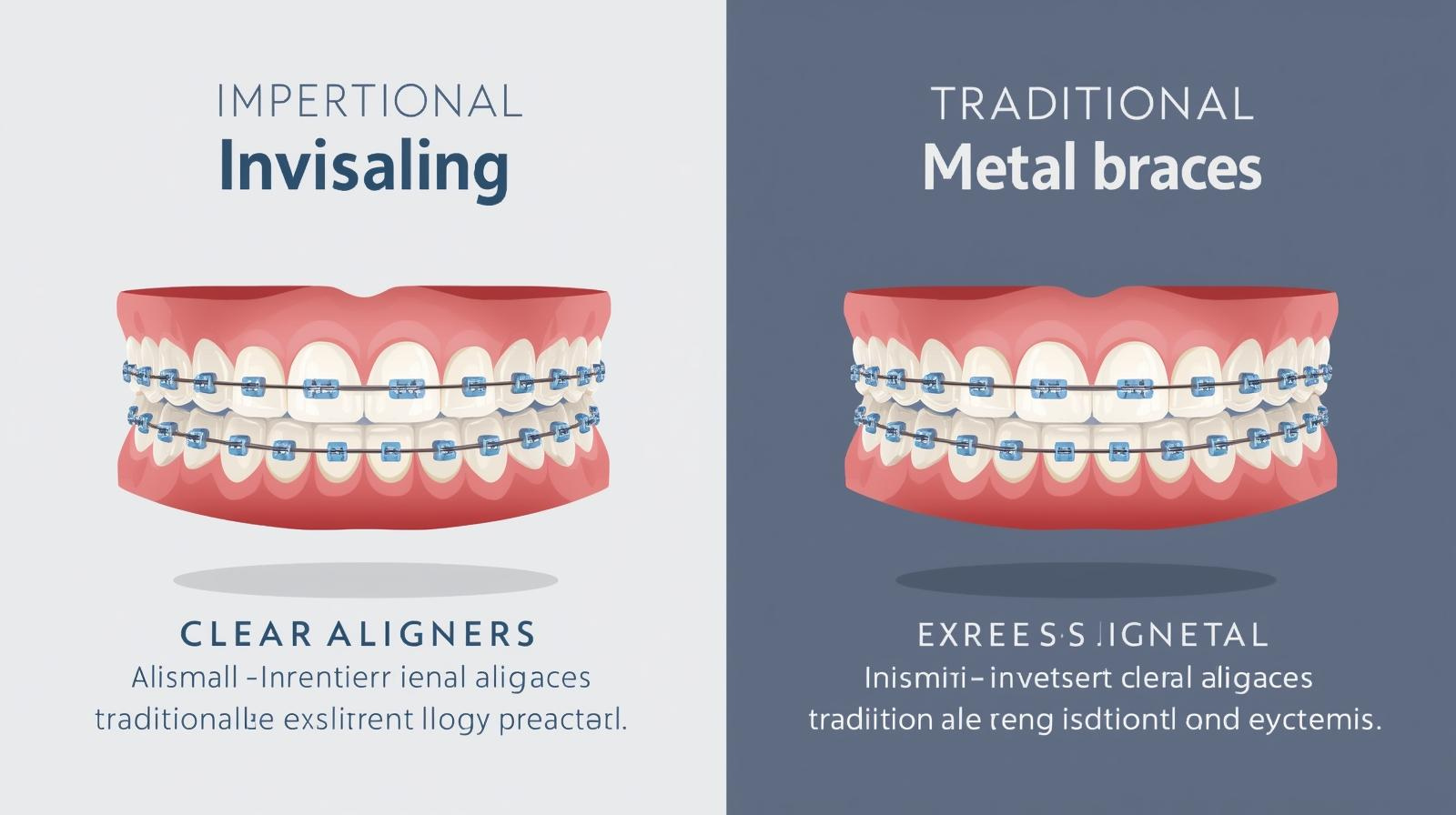
Choosing between Invisalign and traditional braces is one of the biggest decisions Ottawa patients face when starting orthodontic treatment. Both options are highly effective at straightening teeth and correcting bite issues, but they differ significantly in appearance, lifestyle impact, and how they work. At Centrepointe Orthodontics, Dr. Dzmitry Zhylich helps patients across Nepean, Barrhaven, and Kanata make this choice every day.
This guide compares Invisalign and traditional braces side by side so you can make the best decision for your smile.
How Traditional Braces Work
Traditional metal braces use a system of brackets bonded to each tooth and connected by a wire that spans each row of teeth. The wire is held in place with small elastic bands and is adjusted periodically usually every six to eight weeks to gradually move your teeth into proper alignment.
Modern traditional braces are significantly smaller, sleeker, and more comfortable than the braces of previous generations. They remain the most reliable method for treating a wide range of orthodontic issues, including complex bite problems.
Best Candidates for Traditional Braces
Traditional braces are often the ideal choice for patients with severe crowding, significant bite issues such as deep overbites or underbites, and cases that require precise tooth movement. They’re also an excellent option for younger patients who may struggle with the discipline required for removable aligners.
How Invisalign Works
Invisalign uses a series of clear, removable aligners custom-made to fit your teeth. Each set of aligners is worn for about two weeks before being replaced with the next set in the series, gradually shifting your teeth into their desired positions.
The aligners are virtually invisible when worn and can be removed for eating, brushing, and flossing. Progress appointments are typically quick check-ins every eight to twelve weeks. Learn more on our clear aligners page.
Best Candidates for Invisalign
Clear aligners work exceptionally well for mild to moderate orthodontic issues, including spacing, minor crowding, and certain bite corrections. They’re particularly popular with adults and image-conscious teens who value discretion. However, strict compliance wearing aligners 20 to 22 hours per day is essential for successful treatment.
Key Differences: A Side-by-Side Comparison
Appearance
Traditional braces are visible on the teeth, though modern brackets are much smaller than older designs. Invisalign aligners are nearly invisible, making them a popular choice for patients who prefer a discreet treatment option.
Comfort
Both options involve some initial discomfort as teeth begin to move. Traditional braces may cause irritation from brackets and wires, while Invisalign aligners have smooth edges that are generally gentler on the cheeks and gums.
Diet and Lifestyle
With traditional braces, you’ll need to avoid certain foods that can damage brackets and wires think popcorn, hard candy, and sticky foods. With Invisalign, you simply remove your aligners before eating and can enjoy all your favorite foods without restriction.
Oral Hygiene
Brushing and flossing with traditional braces requires extra care and specialized techniques. Invisalign allows you to remove your aligners for normal brushing and flossing, making it easier to maintain oral hygiene throughout treatment.
Treatment Time
Treatment duration varies by case. Traditional braces typically take 18 to 24 months, while Invisalign treatment can range from 6 to 24 months depending on complexity. In many cases, treatment times are comparable.
Cost
At Centrepointe Orthodontics, the fees for clear aligner therapy are the same as braces fees for treatment of the same complexity. This makes it easier to choose the option that fits your lifestyle rather than basing your decision solely on price.
Which Option Is Right for You?
The best way to determine whether Invisalign or traditional braces is right for your smile is to consult with a qualified orthodontist. Factors that influence this decision include the severity of your orthodontic issues, your lifestyle and aesthetic preferences, your ability to comply with aligner wear schedules, and your age.
Dr. Zhylich is a certified Invisalign, 3M Clarity, ULab, and Angel Aligner provider with the expertise and experience to recommend the treatment that will achieve the best results for your unique situation. He personally inserts all orthodontic appliances, ensuring the attention to detail that leads to successful, on-time treatment.
If you’re also considering a middle ground, clear ceramic braces offer the reliability of traditional braces with a more discreet, tooth-coloured appearance.
Making Your Decision in Ottawa
Ottawa patients have access to excellent orthodontic care, and understanding your options is the first step. Whether you’re exploring braces for your teen or considering treatment as an adult, both Invisalign and traditional braces can deliver a beautiful, healthy smile that lasts a lifetime.
Schedule a consultation at Centrepointe Orthodontics to discuss which option is the best fit. Our fully digital office uses intraoral scanning, digital X-rays, and advanced treatment planning to ensure precision and comfort from start to finish.
How Much Do Braces Cost in Ottawa? A Complete Pricing Guide for 2026
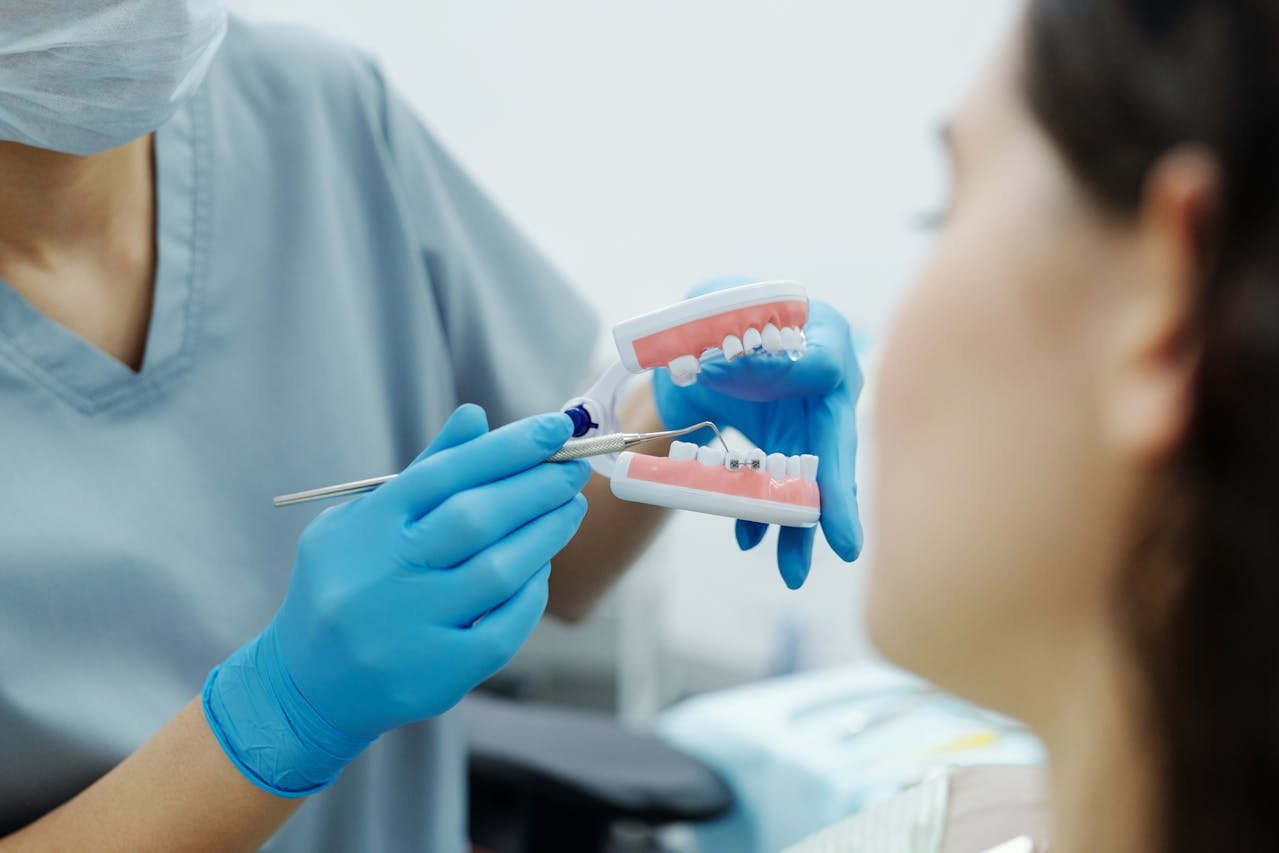
If you’re considering orthodontic treatment for yourself or a family member, one of the first questions on your mind is likely about cost. Understanding how much braces cost in Ottawa helps you plan ahead and make an informed decision about your smile investment. At Centrepointe Orthodontics, we believe every patient deserves transparency when it comes to treatment pricing.
This comprehensive guide breaks down the cost of braces in Ottawa for 2026, including factors that influence pricing, available payment options, and how insurance coverage works in Ontario.
Average Cost of Braces in Ottawa
The cost of orthodontic treatment in Ottawa typically ranges from $3,000 to $10,000, depending on the type of braces and the complexity of your case. Here’s a general breakdown of what you can expect:
- Traditional metal braces: $3,000–$7,000
- Clear ceramic braces: $4,000–$8,000
- Clear aligners (Invisalign): $4,000–$8,500
- Lingual braces: $6,000–$10,000
It’s important to note that these are general ranges. Your actual cost will depend on a thorough evaluation by a certified orthodontist who can assess your specific needs and develop a customized treatment plan.
Factors That Influence the Cost of Braces
Several variables determine the final price of your orthodontic treatment. Understanding these factors can help you anticipate where your investment will fall within the typical range.
Complexity of Your Case
Mild crowding or spacing issues generally require less treatment time and fewer adjustments, which means lower overall costs. More complex cases involving severe crowding, overbites, underbites, or jaw alignment issues will require more extensive treatment and may increase the total cost.
Type of Braces Chosen
The appliance you choose plays a significant role in determining your total investment. Traditional metal braces remain the most affordable option, while clear ceramic braces and Invisalign aligners carry a slightly higher price tag due to the materials and technology involved.
At Centrepointe Orthodontics, the fees for clear aligner therapy are the same as the braces fees for treatment of the same complexity. This means you can choose the option that best suits your lifestyle without worrying about a significant price difference.
Treatment Duration
The length of your treatment directly affects cost. Some patients achieve their ideal smile in 12 months, while others may need 24 months or longer. Longer treatment requires more appointments, adjustments, and materials.
Age of the Patient
Children and teens sometimes require less complex treatment than adults, which can affect the overall price. However, adults shouldn’t be discouraged the investment in a healthier, straighter smile pays dividends at any age. Learn more about braces for adults on our website.
Payment Options at Centrepointe Orthodontics
We understand that orthodontic treatment is a significant financial commitment, and we strive to make it as accessible as possible for Ottawa families. Our practice offers several flexible payment options:
- Courtesy discount for payment made in full at the start of treatment
- Interest-free in-house financing with manageable monthly payments
- Payment arrangements designed to coincide with your Flex Plan needs
- Visa and Mastercard credit cards accepted
Our financial coordinator is happy to discuss your options and create a payment schedule that works for your family’s budget. We encourage open communication about financial concerns so we can find a solution together.
Does Insurance Cover Braces in Ontario?
Orthodontic treatment is not covered by OHIP (Ontario Health Insurance Plan). However, many private dental insurance plans in Ontario include orthodontic benefits. Coverage typically works as follows:
- Most plans cover orthodontic treatment at approximately 50% of the total cost
- A lifetime maximum usually applies, often ranging from $1,500 to $3,000 per person
- Some plans have age restrictions or waiting periods for orthodontic coverage
- Both braces and clear aligners may be eligible, depending on your plan
We recommend contacting your insurance provider before starting treatment to understand your coverage details. Our team can help you with the necessary insurance forms and predetermination paperwork to ensure you maximize your benefits.
The Canadian Dental Care Plan (CDCP) may also provide some orthodontic coverage for eligible Canadians with family incomes below $90,000 and no access to private dental insurance, though orthodontic services under this plan require preauthorization and must meet specific clinical criteria.
Why Braces Are Worth the Investment
While the cost of braces is a significant consideration, it’s helpful to think of orthodontic treatment as a long-term investment in your health and confidence. Properly aligned teeth are easier to clean, reducing your risk of cavities and gum disease. A corrected bite can also alleviate jaw pain, reduce uneven wear on your teeth, and improve overall oral function.
Beyond the health benefits, the boost in self-confidence that comes with a beautiful smile is truly priceless. Whether you’re an adult considering treatment for the first time or a parent exploring braces for your teen, investing in orthodontic care today pays off for a lifetime.
Schedule Your Consultation
The best way to get an accurate estimate for your orthodontic treatment is to schedule a consultation. At Centrepointe Orthodontics, Dr. Dzmitry Zhylich will evaluate your smile, discuss your goals, and provide a detailed treatment plan with transparent pricing. Serving families across Nepean, Barrhaven, Kanata, and Bells Corners, we’re here to help you take the first step toward the smile you’ve always wanted.
